Strength Training for Seniors: The Path to a Healthier Life
Neven Antic • August 5, 2024
This is a subtitle for your new post
Introduction to Strength Training for Seniors
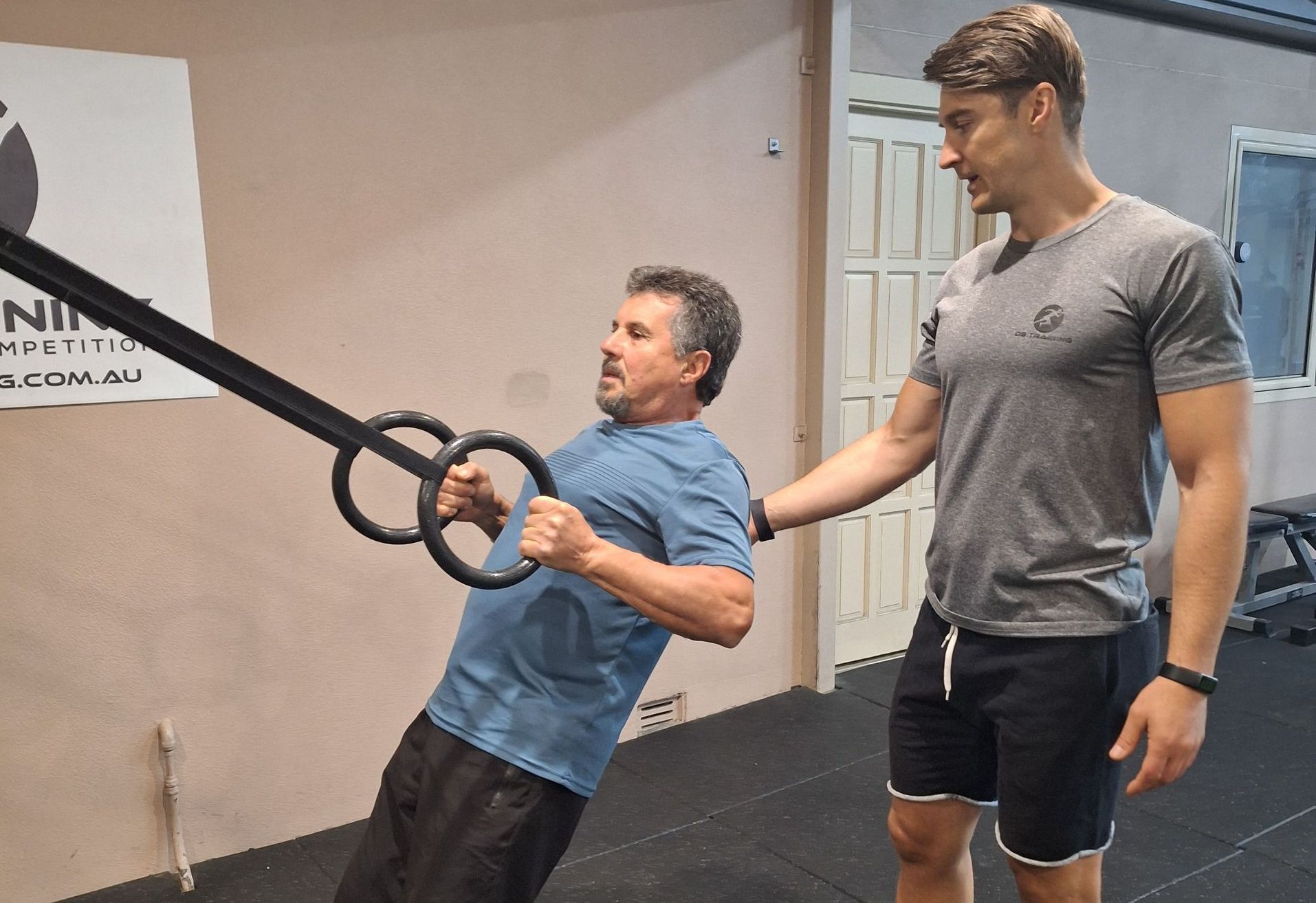
Aging gracefully involves maintaining physical health and independence. Strength training for seniors is a key component of a healthy lifestyle that can enhance muscle strength, improve balance, and boost overall well-being. This article delves into the benefits of strength training for seniors, practical tips for getting started, and details about our Forever Strength Program designed to meet the needs of individuals over 60.
Why Strength Training Matters for Seniors
Strength training offers numerous advantages that are particularly beneficial for seniors:
Preserves Muscle Mass: Muscle loss is a natural part of aging, but strength training can slow down this process, helping seniors maintain their muscle mass and strength.
Enhances Bone Health: Weight-bearing exercises increase bone density, reducing the risk of osteoporosis and fractures.
Improves Balance and Reduces Falls: Strengthening muscles enhances balance and coordination, significantly lowering the risk of falls.
Boosts Mental Health: Physical activity, including strength training, releases endorphins, which improve mood and can alleviate symptoms of depression and anxiety.
Supports Daily Activities: Maintaining strength and mobility allows seniors to perform daily tasks more efficiently and maintain their independence.
How to Start Strength Training for Seniors
Before beginning any exercise program, it's important for seniors to consult their healthcare provider. Here are some tips for starting a safe and effective strength training routine:
Warm-Up: Start with a 5-10 minute warm-up, such as walking or gentle stretching, to prepare your muscles.
Begin with Light Weights: Use light weights or resistance bands and gradually increase the intensity as you become stronger.
Focus on Proper Form: Correct form is crucial to prevent injuries. Consider working with a trainer or joining a senior-focused program like our Forever Strength Program.
Incorporate Different Exercises: Include a variety of exercises that target all major muscle groups, such as leg presses, chest presses, and seated rows.
Cool Down: End each session with a cool-down period, including stretching, to aid in muscle recovery.
Forever Strength Program: Tailored for Seniors
Our Forever Strength Program is designed specifically for seniors over 60, focusing on personalized strength training and overall wellness. Here’s what the program includes:
Program Features:
Personalized Goals Assessment: Each participant undergoes a one-on-one assessment to set personalized health and fitness goals.
Weekly Strength Training Sessions: Tailored exercises to improve muscle strength, balance, and flexibility.
Nutritional Guidance: A simple meal plan to support your training and help you achieve your fitness goals.
Supportive Community: Join a group of like-minded individuals and receive support from our dedicated coaches.
Real-Life Success Stories
Our Forever Strength Program has helped many seniors regain their strength and confidence. For example, 68-year-old Susan joined the program to improve her mobility and found that her joint pain significantly decreased, allowing her to enjoy more activities with her grandchildren. Similarly, Robert, a 72-year-old retiree, reported increased energy levels and better balance after completing the program.
Conclusion
Strength training for seniors is an effective way to enhance physical health, improve quality of life, and maintain independence. Our Forever Strength Program provides a comprehensive approach tailored to the unique needs of seniors, offering personalized training, nutritional support, and a supportive community. If you or a loved one is interested in benefiting from strength training, consider joining our program.
For more information check out our Forever Strength Program HERE
More Posts
Learn to balance your multisport teen's training load to prevent burnout. Book an Athlete Assessment for tailored strength training today!
Learn how couples can train together successfully at D8. Book a Strong Start fit/gameplan call for personalized training plans!

Learn safe strength training for over 60s with arthritis or joint replacements. Join ForeverStrength for tailored programs today!
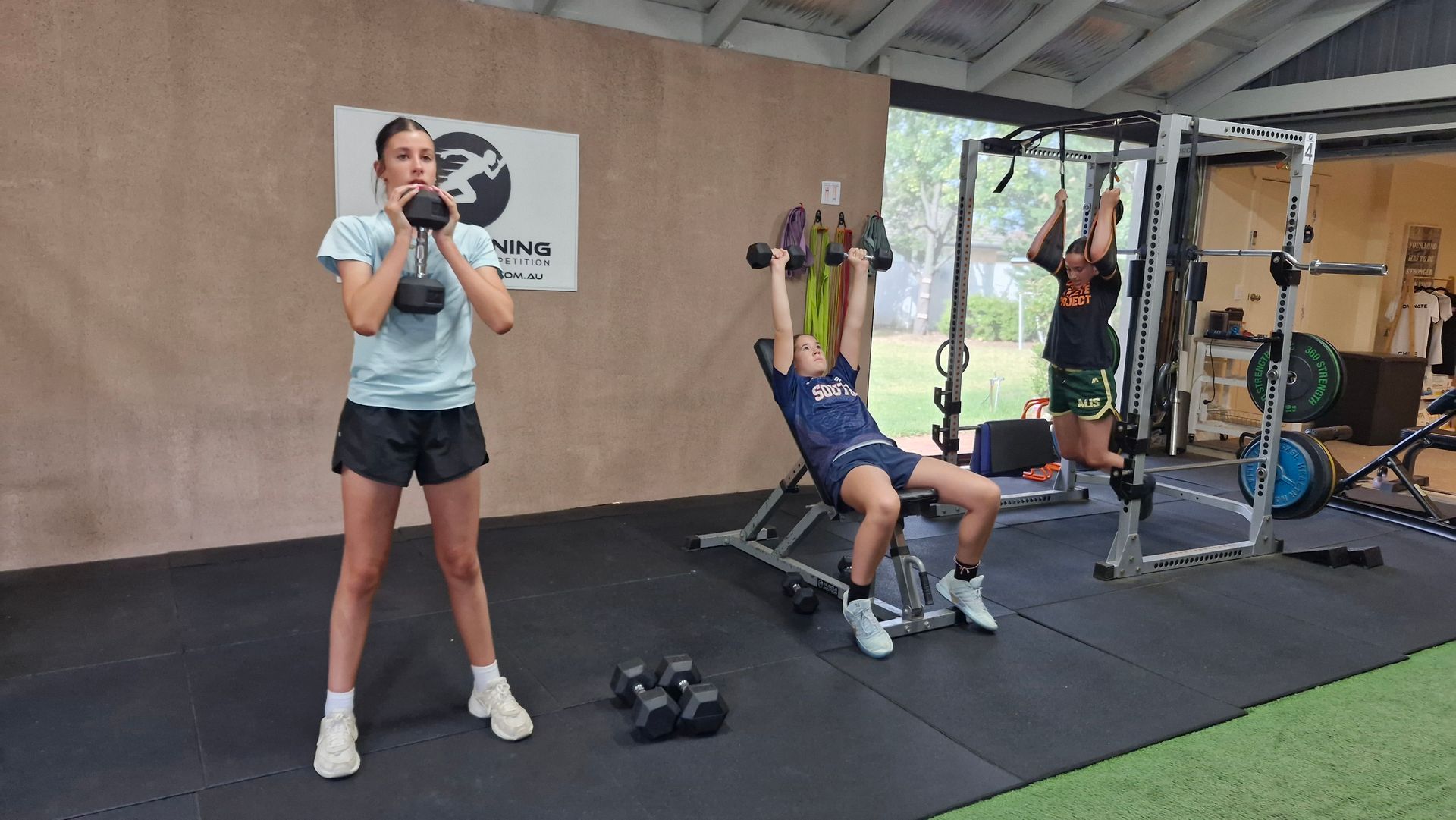
Learn how JuniorGym Academy ensures your child's safety with small groups & age-appropriate exercises. Join us for secure strength training!

Identify silent nutrition mistakes affecting your strength & fat loss. Get expert coaching to enhance your fitness journey today!
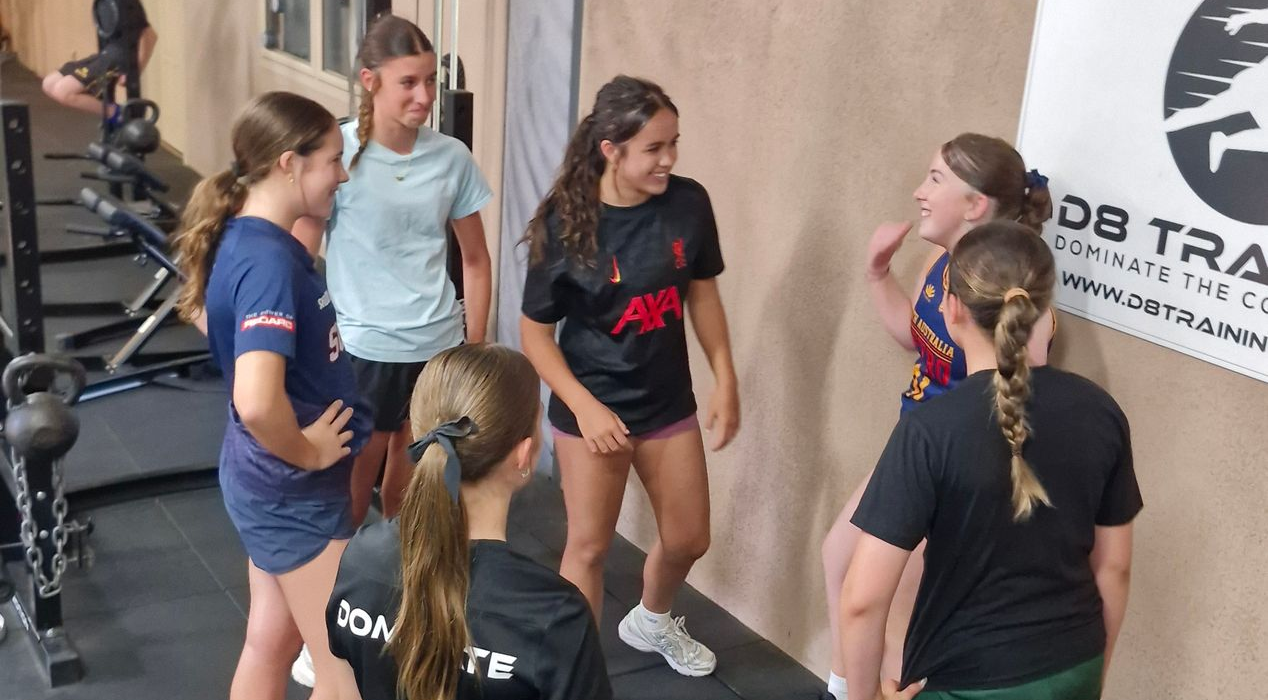
Learn to identify overtraining vs. underpreparedness in young athletes. Book an Athlete Assessment & Testing session today!
Need Help With Your Fitness or Health?
If you are stuck with your fitness or health and want to change that, then reach out to see if our 21Day KickStarter would be a good fit for you. We have helped 100's of clients improve their health and fitness and would love to find out more about your unique needs.