I Am Eating Less and Exercising More, Why Aren’t I Losing Weight?
The Components of Daily Energy Expenditure
Even when at rest, your body needs energy for all its "hidden" functions, such as breathing, circulating blood, adjusting hormone levels, and growing and repairing cells. This basal metabolic rate (BMR) accounts for about 60-75% of the calories you burn daily.
The other components of your daily energy expenditure include the thermic effect of food (TEF), which is the energy used to digest, absorb, and metabolize food, and physical activity. Physical activity encompasses both exercise and non-exercise activity thermogenesis (NEAT), which includes activities like fidgeting, walking to the car, and other movements that aren’t planned exercise.
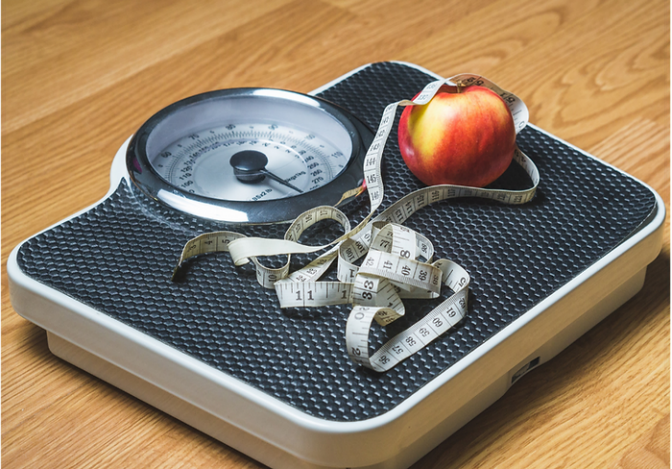
The Calorie Restriction Conundrum
When you reduce your calorie intake, your body perceives it as a threat to your energy stores and initiates several adaptive responses. This evolutionary mechanism, designed to protect us from periods of famine, can actually work against your weight loss efforts. Here’s how:
- Lowered Basal Metabolic Rate: When you consume fewer calories, your BMR can decrease as your body attempts to conserve energy. This means you burn fewer calories at rest than before, which can slow down weight loss.
- Hormonal Changes: Calorie restriction impacts hormones like leptin and ghrelin, which regulate hunger and satiety. Reduced leptin levels can increase appetite, while higher ghrelin levels can make you feel hungrier, leading to potential overeating.
- Muscle Loss: Without adequate nutrition, your body may break down muscle tissue for energy. Since muscle is more metabolically active than fat, losing muscle can further decrease your BMR.
- Increased Efficiency: Your body becomes more efficient at using energy, meaning you burn fewer calories for the same activities, making it harder to create the necessary calorie deficit for weight loss.
Weight Loss vs. Fat Loss vs. Muscle Loss
It is important to distinguish between weight loss, fat loss, and muscle loss, especially when following a calorie-restricted diet. Weight loss refers to a decrease in overall body weight, but this can include both fat and muscle. Fat loss specifically targets the reduction of body fat, which is the ideal goal for most people. However, with aggressive calorie restriction, muscle loss can occur, which is counterproductive since muscle is metabolically active and helps maintain a higher basal metabolic rate. Preserving muscle through adequate protein intake and strength training is crucial for achieving healthy, sustainable fat loss
Strategies for Effective Weight Management
Given these challenges, it’s clear that a one-size-fits-all approach to weight loss doesn’t work. Here are some strategies to help manage weight more effectively:

- Focus on Nutrition Quality: Instead of just cutting calories, prioritise nutrient-dense foods. Include plenty of fruits, vegetables, lean proteins, complex carbohydrates and healthy fats. These foods can help manage hunger, support muscle mass, and improve overall health.
- Strength Training: Incorporate resistance training into your exercise routine to preserve and build muscle mass. Increased muscle mass can help boost your BMR, making it easier to maintain a healthy weight.
- Manage Stress: Chronic stress can lead to weight gain, particularly around the abdomen. Practice stress-reducing activities like yoga, meditation, or deep-breathing exercises to help manage your weight.
4. Prioritise Sleep: Ensure you are getting enough quality sleep. Create a bedtime routine, keep your sleep environment cool, and avoid screens before bed to improve sleep quality.
5. Stay Active: Incorporate both structured exercise and non-exercise movement into your daily routine. Simple changes like taking the stairs, walking during breaks, and standing while working can increase your daily energy expenditure.
Weight management involves more than just calorie restriction and exercise. It requires an understanding of the body's metabolic processes, hormonal changes, and the importance of maintaining muscle mass. By focusing on quality nutrition, incorporating strength training, managing stress, and prioritising sleep, you can create a sustainable and effective weight management plan tailored to your body's unique needs during this transitional phase of life. Remember, patience and consistency are key—lasting changes take time and effort.

Melissa is a qualified clinical nutritionist dedicated to helping people optimize their nutrition for an energetic and fulfilling life, particularly during midlife. She believes deeply in the power of food as medicine and emphasizes the importance of a healthy diet for both mental and physical well-being, understanding the profound impact that food choices have on overall health.
Through her work, Melissa educates and empowers her clients to take control of their health through nutrition, which has been the cornerstone of her consistent success in helping them achieve their goals.
To find out more about Melissa or to book an appointment, visit her website here.
More Posts



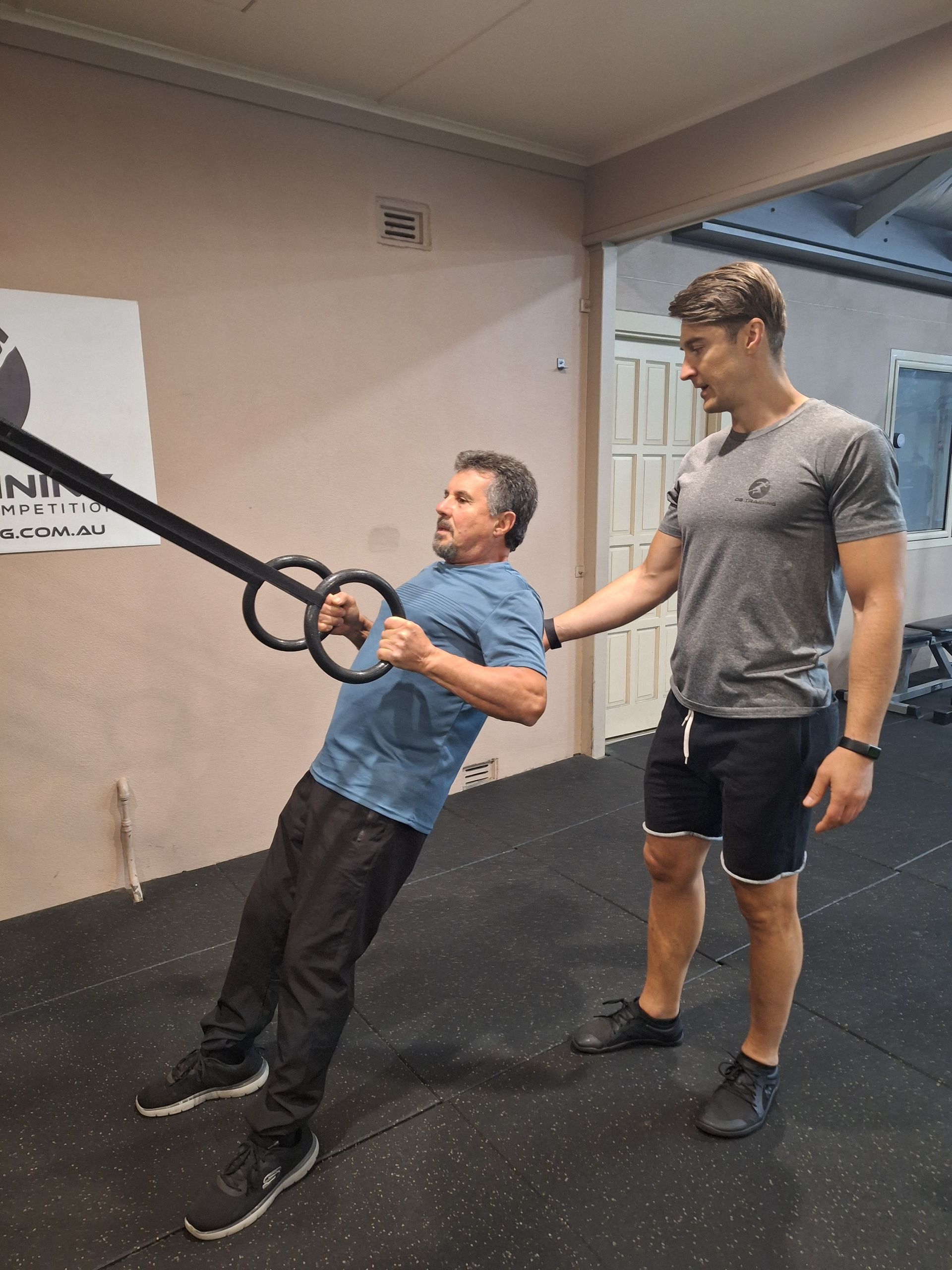


Need Help With Your Fitness or Health?
If you are stuck with your fitness or health and want to change that, then reach out to see if our 21Day KickStarter would be a good fit for you. We have helped 100's of clients improve their health and fitness and would love to find out more about your unique needs.